
3 Powerful Techniques to Calm Your Nervous System: Movement, Breath, and Nature

For millions of people around the world, life right now...is a lot. Feeling overwhelmed, anxious, or shut down is not only becoming more common, but can be expected, when chronic stress has your nervous system on high alert. Learning easy, free strategies to calm your nervous system can improve your mental health, help you cope with stress more effectively, and Increase a sense of meaning In your life . This post explores three powerful techniques—movement, breath, and nature—that you can use anytime to bring grounding and calm to your body and mind.
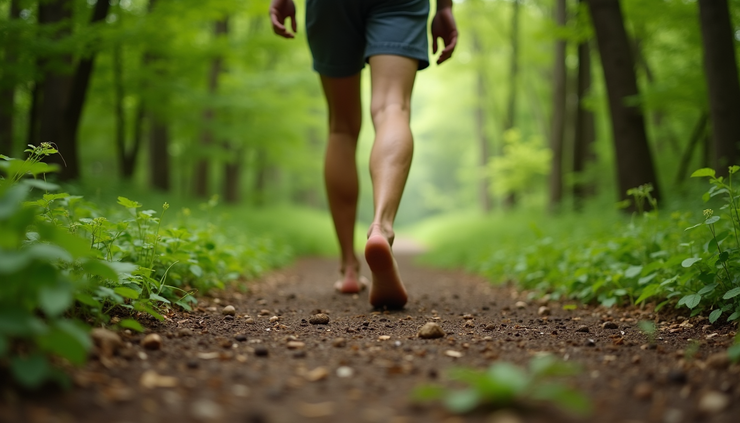
Use Movement to Reset Your Nervous System
Movement is one of the most accessible ways to calm your nervous system. When you move, your body releases tension while the brain releases feel-good chemicals, like beta-endorphins, that can Increase feel-good emotions and even reduce pain sensations (Exercise and Stress: Get Moving to Manage Stress, 2025), all of which can help us feel safe. This is important, because when we feel safe, stress response (AKA "fight-or-flight") activation reduces. Over time, we begin to cope with stress better, making us more resilient to the challenges life throws at us (Exercise and Stress: Get Moving to Manage Stress, 2025).
Here are some effective movement techniques to consider:
Walking: A simple walk, especially at a slow to moderate pace, helps regulate your nervous system. Try walking outside where you can also benefit from nature.
Stretching: Gentle stretches release muscle tightness and improve circulation. Focus on areas where you hold stress, like your neck, shoulders, and back.
Yoga or Tai Chi: These practices combine movement with breath and mindfulness, making them excellent for grounding and calming your nervous system.
Shaking or Dancing: Shaking your limbs or dancing freely can help discharge built-up stress energy from your body.
Tossing a ball: A simple, repetitive movement like tossing a ball back and forth can be soothing to the nervous system and maintain enough focus to help mitigate cognitive flooding.
Try to move mindfully, paying attention to how your body feels. This awareness deepens the calming effect and helps you stay present.
Harness Your Breath to Find Calm Quickly
Your breath is an Incredibly powerful tool for coping with stress because it let's us communicate directly with our nervous system. When you feel anxious, your breathing often becomes shallow and rapid, which can send alert signals to your nervous system that you're In danger (kicking off the whole-body cascade of physiological changes that help us survive real danger) (Stress Effects on the Body, 2024).
Mindful breathing techniques can help you regain control and calm your nervous system:
Deep Belly Breathing: Breathe deeply into your belly rather than your chest. Inhale slowly through your nose, feel your belly fill and your ribs expand. Keep It slow and steady and make any adjustments you need If you start to feel a bit dizzy.
Box Breathing: Inhale for four counts, hold for four, exhale for four, and hold again for four. This rhythmic pattern helps regulate your nervous system (oh, and the freakin' NAVY SEALS practice this to stay calm on missions!)
Alternate Nostril Breathing: Close one nostril and inhale through the other, then switch. This technique balances the nervous system and promotes grounding.
Extended Exhale: Focus on making your exhale longer than your inhale. This tells your nervous system to relax, because exhales activate the parasympathetic nervous system, which Is In charge of slowing heart rate and calming the body ('Cyclic Sighing' Can Help Breathe Away Anxiety, 2025).
Practice these breathing exercises daily or whenever you feel overwhelmed. They are discreet and can be done anywhere.
Connect with Nature to Restore Balance
Spending time in nature has a calming effect on the nervous system. Natural environments reduce stress hormones and increase feelings of well-being. Even brief exposure to green spaces can help you feel grounded and calm.
Ways to use nature for nervous system support:
Walk in a Park or Forest: Being surrounded by trees and fresh air lowers your heart rate and calms your mind.
Sit by Water: Lakes, rivers, or oceans provide soothing sounds and sights that help your nervous system relax.
Gardening: Digging in soil and caring for plants connects you to the earth and promotes calm.
Nature Visualization: If you cannot go outside, close your eyes and imagine a peaceful natural scene. This mental grounding can still help reduce stress.
Try to engage all your senses when you are in nature. Notice the colors, smells, sounds, and textures around you. This sensory connection deepens the calming effect.

Bringing It All Together
Using movement, breath, and nature together creates a strong foundation for calming your nervous system. For example, you might start with a mindful walk in the park, practice deep breathing while sitting on a bench, and finish by touching the leaves or soil around you. These techniques support each other and help you build resilience against stress.
Remember, calming your nervous system is a skill you develop over time. The more you practice these techniques, the easier it becomes to find grounding and calm in challenging moments. Start small, be consistent, and notice how your body and mind respond.
Blog Citations
'Cyclic sighing' can help breathe away anxiety. (2025, June 18). News Center. https://med.stanford.edu/news/insights/2023/02/cyclic-sighing-can-help-breathe-away-anxiety.html#:~:text=Exhalation%20activates%20the%20parasympathetic%20nervous,soothing%20effect%20on%20the%20body
De Montjoye, C., & De Montjoye, C. (2024, October 7). Mastering box breathing: a simple technique to relieve stress. DHW Blog. https://dhwblog.dukehealth.org/mastering-box-breathing-a-simple-technique-to-relieve-stress/
Exercise and stress: Get moving to manage stress. (2025, September 19). Mayo Clinic. https://www.mayoclinic.org/healthy-lifestyle/stress-management/in-depth/exercise-and-stress/art-20044469
Stress effects on the body: Stress affects all systems of the body including the musculoskeletal, respiratory, cardiovascular, endocrine, gastrointestinal, nervous, and reproductive systems. (2024, October). American Psychological Association. https://www.apa.org/topics/stress/body


Comments